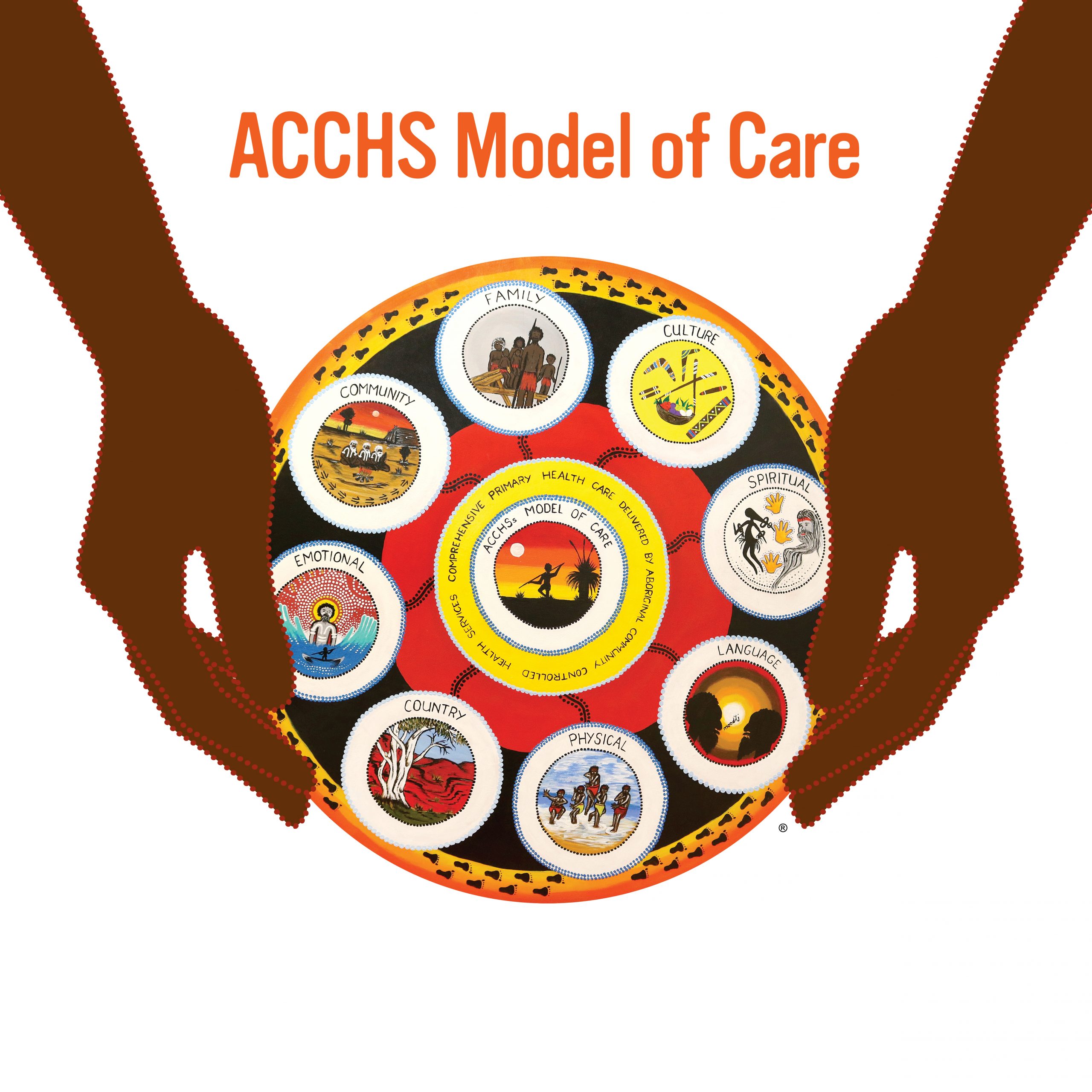
The concept of mental health extends far beyond the absence of psychological symptoms or the management of clinical disorders. For Aboriginal and Torres Strait Islander peoples, health is a dynamic, interconnected state encompassing physical, social, emotional, spiritual, and cultural dimensions. This holistic perspective challenges the narrow, biomedical models often dominant in Western healthcare systems. In this worldview, an individual's wellbeing cannot be separated from their connection to ancestral lands, known as "Country," their family networks, and their cultural practices. This article explores the intricate architecture of social and emotional wellbeing (SEWB) from a First Nations perspective, examining how cultural continuity, connection to Country, and community engagement serve as foundational pillars for mental health.
Understanding the unique determinants of health for First Nations peoples requires a shift from a deficit-based approach to a strengths-based framework. This approach recognizes that resilience and healing are deeply rooted in cultural identity, spiritual connection, and community solidarity. By analyzing the core components of SEWB, the role of Aboriginal Community Controlled Health Organisations (ACCHOs), and the specific challenges posed by historical and ongoing discrimination, we can better understand the pathways to healing that honor Indigenous knowledge systems.
Defining Social and Emotional Wellbeing
The term "Social and Emotional Wellbeing" (SEWB) has emerged as a preferred terminology within Aboriginal and Torres Strait Islander communities to describe what is often referred to in clinical settings as "mental health." This terminology shift is significant. While "mental health" frequently carries clinical connotations of illness or pathology, SEWB emphasizes a positive state of being that includes social connections, emotional health, spiritual wellbeing, and cultural vitality.
In the First Nations context, being healthy is not merely the absence of disease; it is the active maintenance of balance across multiple dimensions of life. This multidimensional model recognizes that an individual's health status is inextricably linked to the health of the wider community. The wellbeing of the collective and the individual are circular and reciprocal; when the community thrives, the individual thrives, and vice versa.
The core elements of SEWB include:
- Social connections with family and community
- Emotional health and regulation
- Spiritual wellbeing and connection to the sacred
- Cultural wellbeing and identity
- Connection to Country (land and sea)
This framework asserts that mental health describes how a person thinks, feels, and copes with daily life, but it does so through the lens of cultural context. For many First Nations peoples, the separation of "mind" from "body" or "spirit" is an artificial construct that does not align with Indigenous epistemologies. Instead, health is viewed as a unified whole where spiritual and cultural factors are as critical as physical or emotional states.
The concept of SEWB also acknowledges the reality that feeling sad, angry, or stressed is a normal human response to past events, systemic discrimination, and the ongoing stress of navigating a society that has historically marginalized Indigenous peoples. However, the framework provides a roadmap for healing that goes beyond symptom management. It suggests that healing involves re-establishing connections to land, culture, and community. When these connections are severed, the potential for distress increases, leading to a sense of inequality and disconnection.
The Central Role of Connection to Country
Perhaps the most distinct and critical component of Aboriginal and Torres Strait Islander mental health is the deep, spiritual connection to ancestral lands, or "Country." This is not merely a physical location but a living entity that encompasses the land, sea, and all life forms within it. Research and traditional knowledge systems indicate that this connection is a central component of spiritual and mental wellbeing.
When an individual is disconnected from their Country, the impact on mental health can be profound. The severing of this bond can lead to increased psychological distress, a sense of loss, and a feeling of inequality in life experiences. Conversely, maintaining and nurturing this connection serves as a powerful protective factor against mental health challenges.
The relationship with Country is often described in terms of "being of Country." This implies that one's identity is formed by the land and the stories embedded within it. For non-Indigenous people engaging with First Nations health concepts, it is vital to understand that this connection is not optional; it is a fundamental determinant of health. Studies such as those by Stephens, Parkes, and Chang (2007) highlight how the link to Country is central to wellbeing. More recent work by Rigney et al. (2022) further emphasizes that traditional cultural practices, including ceremony and ritual, are central to maintaining this connection.
This relationship is bidirectional. Caring for Country and Country caring for the individual. This reciprocity forms the bedrock of emotional stability. When healthcare providers understand this, they can better appreciate why traditional activities, returning to Country, or engaging in cultural rituals are often more effective for healing than standard clinical interventions alone.
The table below illustrates the interconnected determinants of health for First Nations peoples, highlighting how Country sits at the center of the wellbeing model.
| Determinant | Description | Impact on Wellbeing |
|---|---|---|
| Connection to Country | Spiritual and physical bond with ancestral lands and seas. | Fundamental to spiritual health; disconnection leads to distress. |
| Culture and Tradition | Language, ceremony, and storytelling. | Reinforces identity and resilience; loss leads to cultural erosion. |
| Community and Family | Social networks, kinship systems, and shared responsibility. | Provides safety net, emotional support, and social cohesion. |
| Spirituality | Belief systems, connection to ancestors and the divine. | Offers purpose, meaning, and emotional grounding. |
| Social and Emotional | Interpersonal relationships and emotional regulation. | Facilitates coping mechanisms and social support. |
The Impact of Discrimination and Historical Trauma
While the strengths-based approach of SEWB focuses on resilience, it must also confront the reality of ongoing inequality, oppression, and discrimination faced by First Nations peoples. The reference materials explicitly state that it is normal to feel sad sometimes due to past events, discrimination, and the stress of systemic barriers.
Historical trauma, intergenerational grief, and the ongoing experience of racism act as significant barriers to wellbeing. These factors can disrupt the natural pathways to health that rely on cultural continuity and community support. When the social fabric is torn by discrimination, the ability to maintain connections to Country, family, and culture is challenged.
Healthcare systems must acknowledge these realities. The presence of Reconciliation Action Plans in various departments and organizations aims to address these ongoing inequalities. However, for the individual, the experience of discrimination often manifests as chronic stress, anxiety, or depression.
It is crucial to recognize that "mental illness" in this context may not just be a biological anomaly but a rational response to an oppressive environment. Therefore, effective support requires addressing the external causes of distress, not just the internal symptoms. Healing involves not only individual coping strategies but also collective actions to dismantle the structures causing the harm.
Community-Controlled Health and Cultural Safety
A critical mechanism for delivering culturally safe and responsive care is the Aboriginal Community Controlled Health Organisation (ACCHO). These organizations are initiated, governed, and operated by local Aboriginal and Torres Strait Islander communities. This structure ensures that the services provided are deeply rooted in the community's needs and cultural values.
ACCHOs are the largest employer of Aboriginal and Torres Strait Islander people in Australia, with well over half of their staff (over 6,000 employees) identifying as First Nations. This high level of Indigenous representation ensures that the care provided is inherently culturally safe. The sector is unique because it is not just a service provider but a community asset that employs community members, thereby strengthening the local economy and social capital.
For health professionals working within the mainstream system, understanding the role of ACCHOs is vital. The 2004 SEWB framework established nine guiding principles for delivering health care to Aboriginal and Torres Strait Islander people. These principles serve as a guide for practitioners to ensure their care is culturally appropriate.
To achieve cultural safety, healthcare providers are encouraged to reflect on their own biases and the origins of their understanding of health. Key questions for practitioners include: - Where has my understanding of health come from, and what has influenced it? - How might my worldview contrast with Aboriginal ways of being, doing, and knowing? - What specific actions can I take to ensure I am a culturally safe practitioner? - What is my role in ensuring cultural needs are met in the healthcare setting?
The Nursing and Midwifery Board of Australia (NMBA) standards for practice (2016) explicitly link cultural safety to the delivery of care for First Nations peoples. This includes the ability to recognize and respect the holistic nature of SEWB and the importance of community governance.
Practical Strategies for Healing and Resilience
The path to improving social and emotional wellbeing is multifaceted, involving individual actions and community engagement. The reference materials provide specific, actionable strategies that individuals can adopt to nurture their health. These strategies are grounded in the holistic model of health, emphasizing the interplay between body, mind, and spirit.
Cultivating Emotional and Social Health Improving wellbeing begins with acknowledging feelings and engaging in self-compassion. Simple yet powerful actions include finding someone to talk to, talking kindly to oneself, and taking regular breaks to relax. Acknowledging emotions without judgment is a critical step in processing stress and trauma.
Physical Health as a Foundation Physical health is inextricably linked to mental health. The recommendation to look after the body includes eating healthy food, getting sufficient sleep, exercising daily, and avoiding the use of alcohol or drugs as coping mechanisms. The reference notes that using substances to "feel better" is often a maladaptive strategy that can exacerbate underlying issues.
Reconnecting with Culture and Country Perhaps the most potent healing strategy is re-establishing connections to land and community. This includes: - Staying connected to your land and community. - Valuing your culture and spirituality. - Maintaining connections with family and friends. - Engaging in spiritual or cultural practices.
For many, these activities are not optional extras but are the primary mechanisms for recovery. When an individual feels disconnected, engaging in cultural practices can restore the sense of identity and belonging that underpins mental health.
Identifying the Need for Professional Support It is normal to experience sadness, anger, or stress. However, there are indicators that suggest professional help is needed. If feelings of sadness persist for more than two weeks, this may be a sign of depression. Excessive worrying may indicate anxiety. In these cases, seeking support from a mental health worker, a local doctor, or an Aboriginal Health Worker is essential.
The distinction between normal emotional fluctuations and clinical conditions is important. While feeling sad is normal, persistent symptoms suggest a need for intervention. The reference materials emphasize that reaching out to a counsellor or an Aboriginal Health Worker is a valid and encouraged step for those finding it hard to feel strong again.
Resource Ecosystem: From Community to Clinical Support
A robust network of resources exists to support Aboriginal and Torres Strait Islander peoples, ranging from community-controlled organizations to national hotlines and digital platforms. These resources are designed to be accessible, culturally appropriate, and responsive to the specific needs of First Nations communities.
National Crisis and Support Services For immediate assistance, several national services are available: - 13 92 76: A national support line. - Counselling Online: For drug or alcohol issues (1800 888 236). - Lifeline: For personal crises (13 11 14).
These services provide a safety net for individuals in acute distress. However, the most culturally resonant support comes from specialized Indigenous organizations.
Specialized Aboriginal and Torres Strait Islander Support - National Aboriginal Community Controlled Health Organisation (NACCHO): Visiting a local ACCHO provides culturally safe support. These organizations are community-owned and operated. - Proppa Deadly: A platform where people share stories about living with depression and anxiety, fostering peer support and reducing isolation. - WellMob (Healing Our Way): An online resource hub focusing on social, emotional, and cultural wellbeing. - Beyond Blue: Provides videos and fact sheets specifically tailored to depression and anxiety. - NPS MedicineWise: Offers specific information on depression medicines for Aboriginal and Torres Strait Islander people.
Support for Youth and Children Youth and children require age-appropriate resources that respect cultural nuances. - ReachOut Australia: Targeted at ages 14 to 25, offering a website and online forum. - Yarn Safe by headspace: Specifically designed for ages 12 to 25, featuring online chat capabilities. - Kids Helpline: For ages 5 to 25, offering phone support (1800 55 1800) and online chat.
Gender-Specific Resources There are also targeted resources for Aboriginal and Torres Strait Islander males, acknowledging the unique pressures and cultural contexts they face. These resources aim to provide safe spaces for men to discuss their wellbeing in a culturally congruent manner.
The availability of these diverse resources highlights the multi-layered approach to mental health support. It moves beyond the clinical setting to include community narratives, digital platforms, and crisis lines, all underpinned by the principle of cultural safety.
The Path Forward: Strengthening Cultural Safety
The ultimate goal of this holistic approach is to foster a healthcare environment where Aboriginal and Torres Strait Islander peoples can access care that respects their worldview. This requires a commitment from the broader health system to move away from a purely biomedical model and embrace the SEWB framework.
Practitioners must engage in continuous self-reflection regarding their own cultural biases. Understanding that health is a collective, spiritual, and cultural endeavor is the first step. The 2004 SEWB framework and the nine guiding principles serve as a compass for this transformation.
By prioritizing the connection to Country, community, and culture, healthcare can shift from managing symptoms to fostering genuine wellbeing. This approach acknowledges that for First Nations peoples, healing is not just about treating a disease but about restoring the balance of the whole person within their community and environment.
The journey towards social and emotional wellbeing is a continuous process. It involves the individual, the family, the community, and the broader society working together. By valuing cultural practices, supporting community-controlled health services, and providing accessible resources, a more equitable and effective mental health ecosystem can be built. This ecosystem recognizes that the strength of First Nations peoples lies in their resilience, their connection to Country, and the enduring power of their culture.
Conclusion
The Aboriginal and Torres Strait Islander perspective on mental health offers a profound alternative to conventional Western models. It defines health as a holistic state of social and emotional wellbeing that is deeply interwoven with physical health, spiritual connection, and cultural identity. The centrality of "Country" and community serves as the bedrock of this worldview.
While challenges such as discrimination and historical trauma present significant hurdles, the resilience of First Nations peoples is anchored in their cultural continuity. The availability of specialized resources, from community-controlled health organizations to targeted youth and crisis services, provides a safety net that respects cultural safety.
For healthcare professionals and the broader community, adopting a strengths-based approach that prioritizes cultural safety is essential. This means recognizing that healing is not merely a clinical intervention but a process of reconnecting individuals with their land, culture, and community. By integrating these insights, society can better support the mental health and wellbeing of Aboriginal and Torres Strait Islander peoples, ensuring that care is not only effective but also respectful of their unique and rich heritage. The path to true wellbeing lies in honoring these connections and fostering an environment where First Nations peoples can thrive according to their own cultural values.
Sources
- Aboriginal and Torres Strait Islander peoples' mental health
- Aboriginal and Torres Strait Islander mental health and wellbeing (OER Collective)
- National Aboriginal Community Controlled Health Organisation (NACCHO)
- National Indigenous Australians Agency - National Strategic Framework
- Nursing and Midwifery Board of Australia - Standards for Practice
- AHCWA Model of Care Graphic
- Kingsley, J. et al. (2013) - Connection to Country
- Rigney, D. et al. (2022) - Indigenous Nation Building
- Stephens, C., Parkes, M. W., & Chang, H. (2007) - Connection to Country
- Dudgeon, P., Milroy, H., & Walker, R. (2014) - Working Together
- Hercelinskyj, G. & Alexander, L. (2020) - Mental Health Nursing
- Procter, N. G. et al. (2022) - Mental Health: A Person-Centred Approach